Just when you thought it was unsafe….HES again!

A couple of weeks ago I announced the imminent death of colloid. Now it’s back with another “Safe” trial (known as CHEST) from our colleagues in Australia and New Zealand (here). The study enrolled a colossal number of patients (7000) to either isotonic saline (IS) or Voluven (R). This is a 130/0.4 tetrastarch in isotonic saline. I now understand the kerfuffle over the 6s trial (of tetraspan) that mislabeled 130.42 in balanced salt as 130/0.4 (read here). The paper should be subtitled: “ours – the starch that doesn’t kill!” Perhaps…
The authors randomly assigned 7000 patients who had been admitted to an intensive care unit (ICU) in a 1:1 ratio to receive either 6% HES with a molecular weight of 130 kD and a molar substitution ratio of 0.4 (130/0.4, Voluven) in 0.9% sodium chloride or 0.9% sodium chloride (saline) for all fluid resuscitation until ICU discharge, death, or 90 days after randomization. The patients were permitted 50ml/kg HES per day and then were given saline. Similar to the SAFE (albumin) trial, clinicians were permitted to resuscitate patients according to their own goals and preferences.
The primary outcome was death within 90 days. Secondary outcomes included acute kidney injury and failure and treatment with renal-replacement therapy.
There was no mortality difference. A total of 597 of 3315 patients (18.0%) in the HES group and 566 of 3336 (17.0%) in the saline group died (relative risk in the HES group, 1.06; 95% confidence interval [CI], 0.96 to 1.18; P=0.26). There was no significant difference in mortality in six predefined subgroups. Renal-replacement therapy was used in 235 of 3352 patients (7.0%) in the HES group and 196 of 3375 (5.8%) in the saline group (relative risk, 1.21; 95% CI, 1.00 to 1.45; P=0.04).
HES was associated with less renal injury than saline, by RIFLE criteria, but post hoc creatinine and urinary output were worse for HES In the HES and saline groups, renal injury occurred in 34.6% and 38.0% of patients, respectively (P=0.005), and renal failure occurred in 10.4% and 9.2% of patients, respectively (P=0.12). There was a 1.2% absolute increase in the risk of needing renal replacement therapy (p<;0.5) in the HE’S group.
HES was associated with significantly more adverse events (5.3% vs. 2.8%, P<;0.001). These included itching, skin rash and “other” (not explained).

A few comments: the mortality rate for a critical care study was astonishingly low, suggesting that the addition of surgical patients (42%) and some entry restrictions may have biased the study [Of the 7000 patients 2,876 were admitted from the operating room]. Almost 10% of patients came from another hospital. Only 1 in 4 came from the emergency department. So there is likely lead-time bias (incidentally, this distribution is near identical to the 6S study. It is highly unlikely that the majority of patients received, exclusively, one of these investigation fluids prior to ICU admission. Patients were in the ICU for 10 or 11 hours prior to randomization: the “golden window”. The patients should have been resuscitated by this stage. This is suggested by the almost ludicrously small amount of fluid that patients received day 0 (see below).

As expected HES patients received less fluid early on, but this did not translate into better outcomes. What is surprising is how little fluid the patients received in the first 24 hours (1500ml to <;2000ml net fluid balance). Patients received between 1000ml (HES) and 1500ml (IS) in addition to study fluids. In fact they seem to have gotten a lot more non study fluid than study fluid. This is presumably due to the 50ml/kg limit (400ml for an 80kg patient). As the on study fluid of choice was IS, this was really a crystalloid plus colloid versus crystalloid study. Indeed patients almost exclusively received IS
It is remarkable how little fluid the patients accumulated over the first 3 days (by the end of day 3 the IS group appear to have a net negative balance). What ever way you look at it, patients received significantly less fluid than in the 6S study (nearly 6L day 1). I return to my previous observations: nearly 50% surgical patients, with resolving stress responses, patients probably already resuscitated before randomized to the study.

It would have useful to know the electrolyte and acid base status. These patients all received a lot of chloride: what proportion of the had hyperchloremic acidosis?

It is very hard to make anything of the renal function tests in this study. On first sight the 36% rate of renal dysfunction at baseline was similar to 6S. But Scandanavian patients were significantly sicker. They had a mortality rate of 43-50%, consistent with other sepsis trials (such as VISEP). RRT use in the 6S study was 16% in the Ringer’s acetate group versus 5.8% in the IS group in this study. So I would be inclined to ignore RIFLE numbers and consider “real” kidney injury to be represented by the need for RRT.

So, how to evaluate this study? Does this study demonstrate the safety of HES in critical illness? No, it just shows that HES doesn’t increase mortality versus isotonic saline. They may be equally bad. Does this paper conflict with the 6S study? Only 30% of patients in the study were septic, the mortality was substantially lower in this study and it is likely that HES worsens outcomes in patients that require more of it (i.e. sicker patients). The onus of proof is on the intervention: HES demonstrates no mortality advantage over crystalloid, it may worsen outcome, it may be associated with more organ (particularly kidney) dysfunction. I am less likely to use these products in ICU. However, there is still a small argument for colloid administration in the peri operative period based on a series of oesophageal Doppler studies (from the UK). It is highly unlikely that 500ml HE’S will harm a patient. However, I don’t quite see the point: HES is expensive compared with crystalloid and only appears to have a marginally better volume expanding effect: why take the risk without clear benefit.
I presume some clever scientist will take this, the 6S and other crystalloid-colloid studies and inform us about all of the residual questions in a nice meta-analysis. In the near future, it would be helpful if the CHEST investigators would give us data on chloride levels and acid-base status. Perhaps their next study should be to compare isotonic saline to balanced salt solutions.
Finally, congrats again to the ANZICS trial group for showing the rest of us what can be done.

Regional or General Anaesthhesia for Hip Fracture

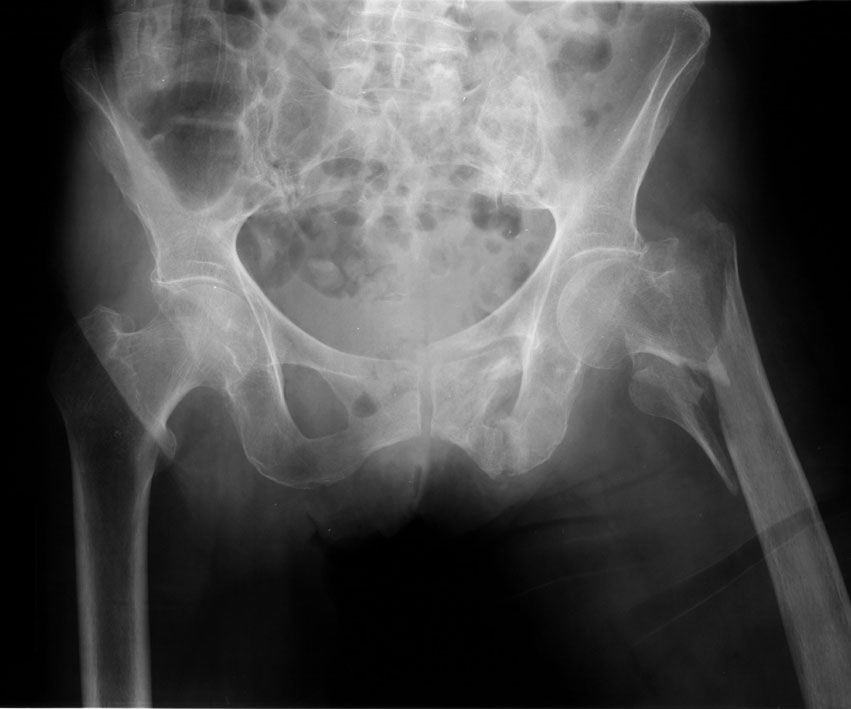
A 78 year old female patient is brought to the operating room with a fractured hip. She tells you that she wants to “go asleep” for the operation. How do you advise her?
Two papers in July’s Anesthesiology have shed light on this issue. Both studies mine large databases and so care must be taken to avoid over interpretation of data.
Neuman and colleagues (read here) looked at data at 126 New York hospitals over 2 years. Surprisingly, of 18,158 patients only 5,254 (29%) received regional (neuraxial) anesthesia. One in 40 patients died in hospital and, unadjusted, there was no difference in the rates of mortality between GA and RA. Patients receiving regional anesthesia experienced fewer pulmonary complications (359 [6.8%] vs. 1,040 [8.1%], P <0.005). Regional anesthesia was associated with a lower adjusted odds of mortality (odds ratio: 0.710, 95% CI 0.541, 0.932, P = 0.014) and pulmonary complications (odds ratio: 0.752, 95% CI 0.637, 0.887, P<0.001). The benefits associated with regional anesthesia accrued to patients only with intertrochanteric fractures; regional did not benefit patients with femoral neck fractures.

Memtsoudis and colleagues (read here) mined a 530,000 national (USA) database of patients undergoing primary hip and knee arthroplasty. One in 30 patients utilized critical care services. Patients that underwent general anaesthesia, elderly patients and those that has cardiopulmonary complications, were significantly more likely to use critical care. As one would expect, admission to the ICU was associated with significantly increased mortality (2.5% versus 0.1%). Patients were also more likely to enter ICU if they were in smaller non teaching hospitals and if they had hip rather than knee surgery.

Interestingly, this study utilized the Deyo index (here) rather than ASA physical status score. The Deyo index appears to be a strong predictor of outcomes in patients having major orthopedic surgery (here). Co-morbidlty indexes are very useful in clinical practice to predict risk (here). Indeed, the Deyo index and ASA-PS score have been used together to demonstrate adverse outcomes (here).

Giving up Colloid? – Yes we can!

Colloid lovers are distraught by the publication of the 6S study from Scandanavia, which has demonstrated that hydroxy ethyl starches (HES) were associated with poor outcomes (read here). For many of us, however, colloids are like nicotine, caffeine, carbohydrates and heroin rolled into one: we just believe in them. It’s so hard to stop. This month in Critical Care Medicine, a German hospital critical care group proved that you could – quit! (read here – subscription required)
In the Jena intensive care unit, over a 6 year period, clinicians initially used HES, gelatin and crystalloid, then gelatin and crystalloid and ultimately crystalloid only. Bayer and colleagues looked at CVP changes, SvO2, lactate normalisation, normalisation of MAP and discontinuation of vasopressors – comparing each phase against each other. In the first instance, CVP increased faster with colloids than crystalloids, which would be terrific if anyone had ever shown that rapidly increasing CVP improved outcomes. It doesn’t. In fact CVP is next to useless (if you don’t believe me – read this). Fluids are administered to reverse shock, and in each of the phases colloids had no appreciable benefit. Indeed, the amount colloid versus crystalloid was revealing: for HES it was 1:1.4 (HES vs Crystalloid i.e. 700ml Lactated Ringers versus 500ml HES 130/0.4); for gelatin it was 1:1.1 (i.e. 550ml LR versus 500ml gelatin). So there was little, if any, colloid effect. Moreover, patients in the crystalloid group mobilised fluid earlier than those in the colloid group.
So, colloids had no beneficial effect. What about harm? There was more acute kidney injury, worsened renal indices and longer continuous renal replacement therapy in the colloid group. Finally, patients who received colloids spent longer on mechanical ventilators than patients who received crystalloids.
It could be argued that this cohort study was flawed in that, as medicine advance, outcomes necessarily improve. So the newest patients should have had the best outcomes. However, there is no evidence that critical care outcomes are better now than 7 or 8 years ago, nor has the clinical practice move on significantly. From my perspective these data are valid, and may provide a roadmap to navigating ourselves away from the crutch and clutch of colloids.

EuSOS study published – and it’s not pretty!

46,539 patients from all over Europe were recruited to the The European Surgical Outcomes Study over 7 days in April 2011 (read here). Day cases, cardiac and neurosurgical patients were excluded. The overall mortality rate was 4% (nearly 1 in 20 patients). 8% of patients were admitted to ICU or HDU at some stage – but, astonishingly, 73% of those who died never saw a critical care practitioner.
For Ireland 856 patients were recruited into the study; 66 went to critical care beds postoperatively. Median hospital stay was 3 days (1.0-6.0). 6.4% died in hospital, with an unadjusted (for severity of illness) odds ratio of death (compared with the UK) of 1.86. When severity of illness was taken into account the OR of death was 2.61. This puts us down the scale of outcomes with Croatia, Slovakia (better), and Romania and Latvia (marginally worse).
What is truely frightening about these data – is that the reference country, the UK, aside from having a similar population to ours, had worse outcomes than they had expected (mortality 3.6% rather than the predicted 1.6%).
It could be argued that these data are skewed by relatively low numbers, recruitment exclusively in academic medical centers (private hospitals cherry pick the healthiest elective surgery patients), the significant limitations of the ASA physical status grade (between 2 and 3 there really should be 3 more grades – clinicians may have also reported patients as a ASA-PS 2 when they really were a 3), reporting bias etc. Alternatively, our patients might do badly because of  weaker nursing care at ward level and fewer critical care beds per head of population.
If the anaesthesia and critical care community in Ireland wants to look into this further, perhaps a worthwhile study would be an enthusiatic clinician to pull out the charts of all 856 patients and figure out why Ireland did so badly. Comments?

Hydroxy Ethyl Starches – are we nearing the end of the road?

When the VISEP study was published in 2008,1 proponents of colloid based resuscitation (myself included) argued that, since the study was conducted using old generation pentastarches, the data were not generalizable to all hydroxyl-ethyl fluids.2 Indeed there was an emerging body of evidence supporting the safety of newer, lower molecular weight starches; particularly those composed of balanced salt solutions. Since the mind boggling revelations about the potential scale of academic misconduct by Joachim Boldt,7 with a large number of his publications now expunged, we have all become somewhat anxious about the true safety of HES compounds. The answer is now here, following the publication of the 6S study from Scandanavia.6
       Colloid fluids have one purpose – to reduce the volume of fluid required to achieve hemodynamic goals. There is something of a transatlantic controversy – the majority of European clinicians have traditionally been colloids believers; the majority of North Americans are not. Colloids are more expensive than crystalloids, have known allergic and bleeding potential and the onus of proof is always on the intervention. Presumably, if colloids are effective, they restore the circulation rapidly, prevent organ failure, prevent fluid related morbidity (pulmonary edema, wound complications, ileus etc.), reduce the length of hospital stay and reduce mortality. If these results are not achieved then colloids are, essentially, intravenous “snake oils”. Previous literature, suggest the opposite – that HES products, in particular, are associated with allergy, renal dysfunction and bleeding. There is essentially no supportive evidence in the ICU, and evidence to support colloids in the operating room is more strongly associated with the use of devices such as esophageal Doppler to achieve resuscitation goals. 4 Nevertheless, there is an emerging consensus that fluid over-resuscitation is associated with medley complications, and that measures that restrict overall fluid volume, particularly from 8 to 72 hours following injury or surgery, may be associated with improved outcomes.3-5 Often fluid studies are single centred, compare one colloid against another, or use weak or surrogate endpoints. What we needed was a multicentre, international study, that looked at hard long term endpoints.

The Scandanavian group randomized 800 critically ill patients to a Ringer’s acetate solution that either contained 130/0.4 HES or did not.6 The patients were followed on an intention to treat basis for 90 days. Patients were enrolled if they met the criteria for severe sepsis within the previous 24 hours. Patients were given fluid by bedside clinicians in accordance with their clinical judgement (i.e. there was no fluid resuscitation protocol), and were blinded to the nature of the fluid administered. The quantity of study fluid was limited to the maximum daily dose of colloid (50ml/kg); open label Ringer’s acetate was administered if this volume was exceeded, and patients could receive saline, blood products and albumin.
This impressively simple study was conducted in 4 countries, with 50% of patients being cared for in academic medical centres and 50% in community hospitals. The study was powered to demonstrate a 10% reduction in mortality among 800 randomized patients at 90 days. What the authors demonstrated, however, was the opposite.
At 90 days following randomization, 201 of 398 patients (51%) assigned to HES 130/0.4 had died, as compared with 172 of 400 patients (43%) assigned to Ringer’s acetate (absolute risk increase of 8%, number needed to treat 12; P=0.03). In the 90-day period, 87 patients (22%) assigned to HES were treated with renal-replacement therapy versus 65 patients (16%) assigned to Ringer’s acetate (absolute risk increase of 6% NNT 16; P=0.04). The risk of bleeding did not reach statistical significance – although post hoc analysis following randomization suggests that the HES group had a greater incidence of bleeding.
Interestingly, the volume of fluid administered to each group was not different: there was not colloid-effect, no fluid sparing. This was consistent with the findings of the VISEP trial.2 Although a significant proportion of both groups received blood products or albumin, there was no statistical significance between the groups. In fact, the only difference between the groups was whether or not HES was administered; patients that received HES 130/0.4 were more likely to die or have kidney injury.

At this point in time the weight of evidence is now stacked up against the use of HES solutions in critical illness; the use of these agents in septic shock cannot be justified.

References

    1.    Brunkhorst FM, Engel C, Bloos F, Meier-Hellmann A, Ragaller M, Weiler N et al. Intensive Insulin Therapy and Pentastarch Resuscitation in Severe Sepsis. N Engl J Med 2008;358(2):125-139.

2.    Brunkhorst FM, Engel C, Bloos F, Meier-Hellmann A, Ragaller M, Weiler N et al. Intensive Insulin Therapy and Pentastarch Resuscitation in Severe Sepsis. N Engl J Med 2008;358(2):125-139.

3.    Kehlet H, Bundgaard-Nielsen M. Goal-directed Perioperative Fluid Management: Why, When, and How? Anesthesiology 2009;110(3).

4.    Lubarsky DA, Proctor KG, Cobas M. Goals Neither Validated Nor Met in Goal-directed Colloid versus Crystalloid Therapy. Anesthesiology 2009;111(4).

5.    Nisanevich V, Felsenstein I, Almogy G, Weissman C, Einav S, Matot I. Effect of Intraoperative Fluid Management on Outcome after Intraabdominal Surgery. Anesthesiology 2005;103(1).

6.    Perner A, Haase N, Guttormsen AB, Tenhunen J, Klemenzson G, +àneman A et al. Hydroxyethyl Starch 130/0.42 versus Ringer’s Acetate in Severe Sepsis. N Engl J Med 2012;367(2):124-134.

7.    Shafer SL. Shadow of Doubt. Anesthesia & Analgesia 2011;112(3):498-500.

This article is copyrighted by Patrick Neligan 2012 please do not reproduce without permission

Flotrac-Vigileo – useful tool or toy?

The Flotrac-Vigileo system appears to have become the first line haemodynamic monitor in Galway. How did this happen, and is it just a toy?

Over the past 2 decades there have been considerable advances in minimally invasive cardiovascular monitoring. This results from a greater acceptance of the flow-model approach to fluid resuscitation,1 a cultural shift away from pulmonary artery catheters (rightly or wrongly),2 and the now widespread acceptance that central venous pressure (CVP) does not predict fluid responsiveness.3 In essence, critical care practitioners now tend to combine data on arteriolar compliance (blood pressure), cardiac performance (stroke volume) and oxygen delivery-consumption (SvO2) when making decisions about fluids and vasopressors. The most popular non invasive devices to date are – oesophageal Doppler (useful, but huge user variability), PiCCO – which requires the placement of a femoral arterial line, and NiCCO – which uses the Fick principle to measure cardiac output from rebreathing CO2. None of these are simple to use, nor can they utilize monitors already in place. Hence, a device that measures stroke volume from a standard arterial line would appear to be a major step forward: assuming, of course, that it is accurate.

The Flotrac (sensor)-Vigileo monitor (Edwards Lifesciences, Irvine, Ca) calculates stroke volume and cardiac output from a single sensor attached to an arterial line at any site.  Unlike PiCCO/PulseCO/LiDCO, it does not require external calibration, or the presence of a central line or specialized catheter. Since its introduction in 2006, the device has seen several software upgrades, with progressive improvement in accuracy: with time we can expect this device to improve further. We are now using the third generation of software,4 and this appears to be more accurate than previous versions.5

Flotrac-VIgileo combines rapid analysis in real time of the arterial pressure waveform with demographic data (such as gender, age, weight and height) applied to an evolving algorithm to calculate cardiac output. Arterial pulsatility is directly proportional to stroke volume. As changes in vascular tone and compliance occur dynamically, the device appears capable of correcting for this by analyzing skewness and kurtosis of the arterial waveform (more information here ). These correction variables are updated every 60 seconds and the arterial waveform is analyzed and averaged over 20 seconds, thus eliminating artifacts, jitter and premature contractions. Cardiac output is calculated utilizing the arterial waveform and the heart rate.

In addition to cardiac output, Flotrac-VIgileo (F/V)  also calculates stroke volume variability, and hence fluid responsiveness.

An increasing number of studies have investigated this system. With each software update the device appears to be becoming more accurate. Mayer and colleagues6 meta-analysed studies to date. Earlier studies demonstrated poor correlation between F/V and thermodilution methods; with newer software the correlation has improved.7 It should be borne in mind, however, that thermodilution methods, although considered the gold standard, are not ideal devices to compare with F/V: measurement intervals and averaging times are substantially longer with all thermodilution methods. Hence it is possible that F/V is more sensitive to dynamic changes in cardiovascular activity. Conversely, it is likely the F/V is severely limited in patients with aortic valve disease (PMID: 21823375), those with intra-aortic balloon pumps in situ, those rewarming from induced hypothermia and patients with intra-cardiac shunts.

Recent studies have suggested that F/V is quite accurate at measuring changes in cardiac output associated with volume expansion (preload sensitivity)8 but not with changes associated the vasopressor use.9-11 In patients undergoing open abdominal aortic aneurysm surgery, the F/V system was highly inaccurate during the critical phases of clamping/unclamping.12 It is likely that the accuracy also depends on the patient having a regular cardiac rhythm and minimal variability in tidal volume.13;14

So a mixed report on the Flotrac. Clearly, in terms of simplicity it is unbeatable: simplicity of placement, lack of observer error, continuity of data and the lack of need for secondary vascular access.  In terms of accuracy– assuming that the patient is in a regular rhythm and has a reasonably stable respiratory pattern, it appears fairly reliable. I cannot see this being a device used intraoperatively, in the way the oesophageal Doppler has found its niche, due to significant inaccuracy in dynamic conditions. Nevertheless, in the ICU, in patients where haemodynamic monitoring may be beneficial – such as early sepsis, this is a useful tool. Is it better than a Swan? No, is anything? That will be topic of  a future post.

References

        1.    Rivers E, Nguyen B, Havstad S, Ressler J, Muzzin A, Knoblich B, Peterson E, Tomlanovich M: Early goal-directed therapy in the treatment of severe sepsis and septic shock. N Engl J Med 2001; 345: 1368-77

2.    Connors AF, Jr., Speroff T, Dawson NV, Thomas C, Harrell FE, Jr., Wagner D, Desbiens N, Goldman L, Wu AW, Califf RM, Fulkerson WJ, Jr., Vidaillet H, Broste S, Bellamy P, Lynn J, Knaus WA: The effectiveness of right heart catheterization in the initial care of critically ill patients. SUPPORT Investigators. JAMA: The Journal of the American Medical Association 1996; 276: 889-97

3.    Marik PE, Baram M, Vahid B: Does central venous pressure predict fluid responsiveness? A systematic review of the literature and the tale of seven mares. Chest 2008; 134: 172-8

4.    Vasdev S, Chauhan S, Choudhury M, Hote M, Malik M, Kiran U: Arterial pressure waveform derived cardiac output FloTrac/Vigileo system (third generation software): comparison of two monitoring sites with the thermodilution cardiac output. Journal of Clinical Monitoring and Computing 1-6

5.    De Backer D, Marx G, Tan A, Junker C, Van Nuffelen M, H++ter L, Ching W, Michard Fdr, Vincent JL: Arterial pressure-based cardiac output monitoring: a multicenter validation of the third-generation software in septic patients. Intensive Care Medicine 2011; 37: 233-40

6.    Mayer J, Boldt J, Poland R, Peterson A, Manecke GR, Jr.: Continuous arterial pressure waveform-based cardiac output using the FloTrac/Vigileo: a review and meta-analysis. J Cardiothorac Vasc Anesth 2009; 23: 401-6

7.    Mayer J, Boldt J, Beschmann R, Stephan A, Suttner S: Uncalibrated arterial pressure waveform analysis for less-invasive cardiac output determination in obese patients undergoing cardiac surgery. Br J Anaesth 2009; 103: 185-90

8.    Zhang Z, Lu B, Sheng X, Jin N: Accuracy of stroke volume variation in predicting fluid responsiveness: a systematic review and meta-analysis. Journal of Anesthesia 2011; 25: 904-16

9.    Meng L, Phuong Tran N, Alexander BS, Laning K, Chen G, Kain ZN, Cannesson M: The Impact of Phenylephrine, Ephedrine, and Increased Preload on Third-Generation Vigileo-FloTrac and Esophageal Doppler Cardiac Output Measurements. Anesthesia & Analgesia 2011; 113: 751-7

10.    Monnet X, Anguel N, Jozwiak M, Richard C, Teboul JL: Third-generation FloTrac/Vigileo does not reliably track changes in cardiac output induced by norepinephrine in critically ill patients. British Journal of Anaesthesia 2012;

11.    Metzelder S, Coburn M, Fries M, Reinges M, Reich S, Rossaint R, Marx G, Rex S: Performance of cardiac output measurement derived from arterial pressure waveform analysis in patients requiring high-dose vasopressor therapy. British Journal of Anaesthesia 2011; 106: 776-84

12.    Kusaka Y, Yoshitani K, Irie T, Inatomi Y, Shinzawa M, Ohnishi Y: Clinical Comparison of an Echocardiograph-Derived Versus Pulse CounterGÇôDerived Cardiac Output Measurement in Abdominal Aortic Aneurysm Surgery. Journal of Cardiothoracic and Vascular Anesthesia 2012; 26: 223-6

13.    Khwannimit B, Bhurayanontachai R: Prediction of fluid responsiveness in septic shock patients: comparing stroke volume variation by FloTrac/Vigileo and automated pulse pressure variation. European Journal of Anaesthesiology (EJA) 2012; 29:

14.    Saraceni E, Rossi S, Persona P, Dan M, Rizzi S, Meroni M, Ori C: Comparison of two methods for cardiac output measurement in critically ill patients. British Journal of Anaesthesia 2011; 106: 690-4

NAP4 report on airway catastrophes

Have you had a highly challenging airway situation in the ICU or the emergency department?  Did it lead to a major adverse event?  If so you are not alone, as the NAP4 report demonstrates:

http://www.rcoa.ac.uk/index.asp?PageID=1089

Although there is no denominator, and a direct comparison with operating theatre events was not a purpose of the report, the message is clear:  airway catastrophes, often leading to death, occur time and again in out-of-theatre locations.  There seem to be many reasons, and we are left to speculate – suboptimal equipment, out-of-hours timing of the events, severely compromised patients, but perhaps simplest of all – poor patient positioning on soft beds rather than hard, adjustable operating tables.  Much is made of the fragmentary availability of EtCO2 in these locations.  Perhaps more importantly, lack of specialized airway training, and lack of continuing clinical practice in advanced airway management (i.e. clinical anesthesia) is also a proposed problem for some ED clinicians and intensivists.  Indeed, some experts are suggesting that the trend towards earlier specialisation into intensive care and the development of an ICU training scheme entirely independent of anesthesia will only lead to an increase in such airway events,

Whatever your views, this is essential reading for everyone in our speciality (and many others!).

Acute Respiratory Distress in the Recovery Room (tutorial)

Clinical Scenario: A 57 year old male undergoes upper abdominal surgery. He refused an epidural. The intraoperative course was uneventful. He was given 2mg hydromorphone in the OR. He was extubated, breathing 360 ml tidal volumes; arousable. Shortly after arrival to the recovery room, the patient develops acute respiratory distress. His respiratory rate increases to 33 breaths per minute, SpO2 is 92%, heart rate increases to 110 beat/min, blood pressure 98/50 mmHg. On examination, his pupils are pinpoint but reacting, he is moving air into both of his lungs but there is little air entry into his lung bases.

A non-rebreather facemask is placed: his SpO2 remains 92%.

1. Identify the problem

What is the principle diagnosis?

The patient is clearly in acute respiratory distress; however the cause and reversibility of the problem are unclear. It is imperative that the bedside clinician have a systematic approach to diagnosis and management. The cause of the problem may lie at any stage in the process of initiating a breath to exchanging gas. This tutorial focuses on the diagnosis.

Patients in recovery room with acute respiratory distress have one or more of the following three problems: failure to ventilate, as characterized by a high PaCO2, failure to oxygenate, as characterized by low PaO2, or failure to maintain their airway (figure 1). All three may co-exist: for example, a patient that receives excess opioids my hypoventilate, obstruct their airway due to opioids and carbon dioxide narcosis, and become hypoxic due to absorption atelectasis, failure to replenish alveolar oxygen and alveolar CO2 buildup. Nevertheless, the primary problem is failure to ventilate, due to central loss of respiratory drive. Hence, to make a diagnosis, one needs to identify the primary problem.

 Figure 1: Mechanisms of Acute Respiratory Distress in recovery room

There are three major components to the respiratory apparatus:

  1. Central chemoreceptors: in the brainstem that detect carbon dioxide and initiate the respiratory pump. This requires an intact brainstem and cervical nerve roots.
  2. The respiratory pump: the phrenic nerves (and on occasion the intercostals nerves) initiate diaphragmatic contraction. This requires and intact neuromuscular junction and sufficient diaphragmatic muscular tissue to increase the volume of the thoracic cavity. This leads to increased negative pressure within the pleura, stretching the alveoli. Flow of gas into the alveoli is known as ventilation.
  3. Alveolar-capillary interface: gas must flow across the alveolar capillary interface to enter and leave the blood. This is known as ventilation perfusion matching and is reliant on alveolar gas volume (particularly in end expiration – the functional residual capacity) and pulmonary blood flow.

The problem is either central – a problem of respiratory drive, peripheral – a problem of the respiratory pump, large airway – a problem of gas transfer, or alveolar – a problem of gas exchange (figure 2).

  1. Central Ventilation: the neurologic system is not activating respiration in response to an increase in arterial CO2 tension
  2. Peripheral Ventilation: the thoracic pump (chest and diaphragm) is not effective in guaranteeing adequate minute ventilation.
  3. Gas Transfer: air does not pass effectively from the upper to the lower airway due for example to increased airway resistance.
  4. Gas Exchange:
    1. Gas does not to pass effectively from alveoli to capillaries due to a pathologic process in the interstitial space (diffusion defect).
    2. Ventilation is being wasted – alveoli are being ventilated but not perfused: dead space ventilation or more air than the blood can utilize (high ventilation/perfusion (V/Q) ratio the extreme version being dead space ventilation).
    3. Blood flow is inadequately utilized and blood is passing through the lungs without coming into contact with aerated alveoli: perfused but not ventilated – shunt or ventilation falls behind blood flow (low V/Q ratio the extreme version being right to left shunt).

2. Understand the problem

What is the mechanism of injury?

Ventilation Failure

Failure to ventilate is the most common cause of acute respiratory distress in the recovery room. It is characterized by reduced alveolar ventilation which manifests as an increase in the PaCO2 > 50 mmHg (6.5kPa). The best method of classifying this is to follow the respiratory  pathways from the brainstem to the alveoli, and then ask whether a pathology exists at each particular site. Often patients have multiple problems: e.g. narcosis, pulmonary edema, pleural effusion, obesity

Neurological

Central: loss of ventilatory drive due to general anesthetic agents (propofol principally), benzodiazepines, narcosis, stroke or brain injury

Spinal: spinal or epidural anesthesia; spinal cord injury, cervical – loss of diaphragmatic function, thoracic – loss of intercostals.

Peripheral: phrenic nerve injury in neck or thoracic surgery

Muscular

Persistent neuromuscular blockade; diaphragmatic trauma; myopathic disorders – myasthenia gravis (patient post op thymectomy).

Anatomical Problems

Chest Wall – flail chest; intra-abdominal hypertension (abdominal packs placed).

Pleura – pleural effusions, pneumothorax (patient post op thoracic or retroperitoneal surgery: nephrectomy, abdominal aortic aneurysm, esophagectomy).

Airways – airway obstruction: laryngeal edema, inhalation of a foreign object (tooth or throat pack), bronchospasm.

Oxygenation Failure

Oxygenation failure occurs at a microscopic level at pulmonary capillary-alveolar interface. Two different injuries can occur at this level, either individually or in combination:

Diffusion abnormality – thickening of the alveoli (pulmonary fibrosis). There is an obstruction to effective gas exchange due to material in the interstitial space. The patient will have an antecedent history of hypoxemia.

Ventilation/Perfusion Mismatch: Dead Space Ventilation (or high V/Q): alveoli are ventilated but not perfused. This is unusual in the extubated patient, an usually results from significant hypovolemia


Figure 2 Causes of Respiratory Failure

Ventilation Perfusion Mismatch (figure 3): this occurs when lung units well perfused but poorly ventilated. The extreme version is right (as in right side of the heart) to left shunt (blood flows through the lungs without coming into contact with aerated lung tissue. This lung injury is resistant to oxygen therapy. This frequently occurs in patients that have upper abdominal or chest surgery secondary to segmental lung collapse – atelectasis. Atelectasis may actually be worsened by oxygen therapy, due to rapid reabsorption.

Less severe, and usually oxygen sensitive, ventilation-perfusion mismatch is the inevitable consequence of major surgery. The time constants in many lung units are altered due to edema in the lung tissue and secretions in the major and minor airways. This results in an alteration of the dynamics of gas transport: alveolar oxygen tension is slower to be replenished, carbon dioxide is more slowly removed.

Figure 3: Ventilation-Perfusion Mismatch. Alveolar unit A has normal ventilation and perfusion, hence the pulmonary capillary (arterial side) oxygen tension (PcO2) is 100mmHg (13kPa). Unit C is ventilated but not perfused. It does not contribute to gas exchange. Unit B is partially ventilated, but due to it’s long time constant (due to secretions), the alveolar oxygen tension is below normal, and the PcO2 is reduced to 70mmHg (9kPa). When all lung units are accounted for, the result is hypoxemia (PaO2 70mmHg/9kPa)

Figure 4: Oxygen therapy effectively treats ventilation perfusion mismatch by increasing the fraction of gas in the alveolus that is oxygen, thus increasing the PAO2 (alveolar O2). It also reverses pulmonary vasoconstriction and reduces dead space.

Figure 5: Right to left intrapulmonary shunt: in this example, 50% of the pulmonary circulation is flowing thru collapsed lung tissue. Because hemoglobin can only be saturated to 100%, regardless of the quantity of oxygen that is delivered to normal lung tissue, it is not possible to compensate for the intra-pulmonary shunt.

3. Differential diagnosis / Work the problem

How do you make the diagnosis?

Acute respiratory failure is usually a problem of either failure to oxygenate, as characterized by a low PaO2, or failure to ventilate, as characterized by a high PaCO2. Where hypoxemia and hypercarbia co-exist, oxygenation should be considered the primary problem.


Figure 6: Assessing the Patient with Acute Respiratory Failure

The key to making the diagnosis is to look at the patient’s breathing pattern. If the patient is taking slow shallow breaths, with normal synchrony between opening of the mouth to inhale and movement of the chest outwards and downwards, then the problem is most likely ventilatory failure secondary to central respiratory depression. This most commonly results from opioid administration, but may also follow the administration of midazolam/lorazepam or discontinuation of a propofol infusion.

If the patient is taking rapid shallow breaths, the problem is either ventilatory failure secondary to a peripheral problem or oxygenation failure secondary to ventilation-perfusion mismatch. The key to separating the two is the clinical circumstance and the presence or absence of hypoxemia (low SpO2 or requirement for high FiO2). In the absence of hypoxemia, a neuromuscular problem should be considered – such as residual neuromuscular blockade or a dense epidural block that paralyses the intercostal muscles. One also sees this pattern in patients with low physiologic reserve, the malnourished and the critically ill. In patients that have undergone thoracic surgery or retroperitoneal surgery, a high clinical suspicion for pneumothorax should be considered. This is characterized by hypoxemia, unilateral breaths sounds, and, in severe cases, hypotension.

Rapid shallow breathing with hypoxemia is caused by ventilation perfusion mismatch. This is usually caused by retained secretions and/or atelectasis. This most commonly occurs in patients that have undergone abdominal surgery, are morbidly obese or have been positioned intraoperatively in the Trendelenberg position.

Pulmonary embolism should be suspected in patients that have undergone pelvic or hip surgery with rapid shallow breathing and hypoxemia, associated with tachycardia and hypotension.

An obstructed breathing pattern is suggestive of upper or middle airway pathology. The problem is caused by central loss of pharyngeal tone, and soft tissue obstruction (associated with depressed level of consciousness and anesthesia) or mechanical obstruction to the airway, above, at the level of or below the glottis. Classically the patient has nasal flaring, supraclavicular or intercostal retraction, and a see-saw chest movement: the chest moves inwards as the diaphragm descends. The patient may have inspiratory stridor (supraglottic obstruction), expiratory stridor (glottic or subglottic obstruction) or expiratory wheeze (bronchospasm). Typically hypoxemia is a late complication of airway obstruction. This is important as hypoxia may be rapidly followed by bradycardia and asystole.

4. Solve or resolve the problem

This patient has many risk factors for acute respiratory distress. Does he have ventilatory failure? Quite possibly – he may be narcosed from excessive interoperative opioids. He may be hypoventilating due to splinting (upper abdominal pain due to surgical incision) or persistent partial neuromuscular blockade. He may have upper airway obstruction, due to loss of pharyngeal tone, obstruction with a bite block, laryngeal edema or laryngospasm. He may have severe bronchospasm, and inhaled foreign object (such as a tooth) obstructing a major bronchus, or the presence of blood or gastric contents aspirated from the upper airway. He may have lower airway collapse due to hypoventilation and or absorption atelectasis, diffusion hypoxia (due to oxygen being displaced by nitrous oxide in the alveoli) or alveolar fluid, due to excessive intravenous administration.

Working the problem:

Step 1: Is this failure to oxygenate or failure to ventilate?

The patient has rapid shallow breathing with hypoxemia – this is failure to oxygenate, it may be secondary to peripheral ventilatory failure, or primary to V/Q mismatch.

Step 2: Is this peripheral ventilatory failure or primary V/Q mismatch?

The patient has bilateral air entry into the upper segments of the lungs, with little air entry into the bases. This is primary V/Q mismatch secondary to atelectasis. The patient has an intra-pulmonary shunt, evidenced by the lack of responsiveness to oxygen therapy.

Step 3: How is the diagnosis confirmed?

The diagnosis may be accepted, clinically (there is sufficient clinical suspicion in this case) or confirmed by chest x-ray and arterial blood gas sampling.

Step 4: What is the initial management of this patient?

The patient should nursed in the upright or seated position – the effect of gravity is to recruit lung tissue and increase functional residual capacity. The patient should be encouraged to cough, to mobilize secretions. Consideration should be given to devices that assist in lung recruitment such as incentive spirometry or the use of non-invasive positive pressure ventilation. If the problem worsens or fails to resolve, the patient should be re-intubated and lung recruitment achieved using an ICU grade mechanical ventilator.

5. Conclusions

  1. The assessment of the patient with acute respiratory distress involves taking a history, examining the patient and quantifying the degree of respiratory injury.
  2. This involves determining whether the problem is failure to ventilate, failure to oxygenate or failure to maintain the airway.
  3. Failure to maintain the airway leads to failure of gas flow and ultimately hypoxemia and hypercarbia. The problem is either central loss of airway patency or mechanical airway obstruction.
  4. Failure to oxygenate is caused by ventilation perfusion mismatch: the patient typically has a rapid shallow breathing pattern.
  5. Failure to ventilate is caused by a problem in the central nervous system or a problem with the thoracic pump: the patient typically has a slow shallow breathing pattern.
  6. Failure to ventilate is an ominous sign.
  7. Look for an immediately reversible cause of failure to ventilate – such as narcosis, deep sedation or persistent neuromuscular blockade.
  8. In the absence of a reversible cause, positive pressure ventilation is required.


Figure 7: Failure to Oxygenate vs Failure to Ventilate

This article is entirely the work of Patrick J Neligan MA MB FCAI FJFICM. No part of this article or its illustrations may be reproduced without the author’s permission. Select illustrations were developed in conjunction with Maurizio Cereda MD. © PJN 2012

Agitation and Pain in the Recovery Room (tutorial)

Problem:

A 43 year old male returns from the operating room following cholecystectomy. The operation had been originally planned using the laparoscopic approach. However it became necessary to convert to an open procedure. Intraoperatively the patient received fentanyl 300mic/g, propofol, vecuronium, oxygen and desflurane and cefazolin. At the end of surgery, neuromuscular blockade (sustained tetanus was demonstrated) was reversed, the patient opened his eyes and was extubated.

On arrival to the recovery room the patient is combative, thrashing around, incoherent, not obeying commands, attempting to remove has urinary catheter. His pulse rate is 120 beats per minute, blood pressure 170/100, temperature 37.0 degrees Celcius and his pulse oximeter is reading an SpO2 of 99%.

1. Identify the problem

What is the mechanism of injury and what are the treatment options?

This patient is agitated: the most common cause of postoperative agitation is pain. Pain is a neurohormonal and emotional response to a noxious stimulus, in this case surgical injury. Pain is the “fifth vital sign.”

Pain is known to worsen perioperative outcomes: it results in – increased protein catabolism – thereby reducing physiologic reserve, retention of salt and water, impaired wound healing, prolonged recumbent times (resulting in increased risk of deep venous thrombosis), and significant suffering and dissatisfaction on the part of the patient. Elevated adrenergic activity results in increased oxygen demand and may precipitate myocardial ischemia. In patients, such as in this case, that undergo upper abdominal surgery, the splinting effect of pain results in impaired coughing and lung derecruitment and increased risk of pulmonary complications including nosocomial pneumonia.

One of the major roles of perioperative clinicians is to minimize patient suffering. Patients universally report dissatisfaction with perioperative pain management.1 Modern approaches to preventing suffering in perioperative patients include a multimodal approach to pain, postoperative nausea and vomiting, anxiety, agitation and delirium.2-5

2. Understand the problem

What is pain (understanding the mechanisms)?

Table 1.  Inflammatory Mediators that amplify the pain response
Substance
Source
Norepinephrine Nerve endings & circulating
Epinephrine Circulating
Substance P Nerve endings
Glutamate Nerve endings
Bradykinin Plasma kininogen
Histamine Platelets, mast cells
Hydrogen Ions (acidity) Ischemia / Cell Damage
Protaglandins Arachidonic acid / damaged cells
Interleukins Mast Cells
Tumor necrosis factor alpha Mast Cells

Surgical incision is associated with tissue injury and release of inflammatory mediators, development of local edema and activation of nocioceptors. These are nerve endings of myelinated (A-delta) and unmyelinated (C) afferent nerve fibres that respond to noxious thermal, mechanical, or chemical stimulation. A-delta fibres are mechanothermal while the C fibres are polymodal.

When nociceptors are activated, a series of neurohormonal reflexes are activated, and a painful sensation is elicited.6 In the awake patient, this is apparent by an adverse emotional response, a sensation of “unpleasantness”. In a sedated patient this may result in hyperadrenergic activity, agitation or aggressiveness.

Figure 1: Pain Pathways

1. The nocioceptive response is activated at the level of the surgical incision; 2. release of inflammatory cytokines and vasodilator metabolites; 3 transmission of nocioceptor impulses along afferent A-delta and C fibers; 4. integration and amplification in the spinal cord – c”windup”; 5 transfer of impulses from doral horns to thalamus and post-central gyrus; 6. activation of hypothalmo-pituitary adrenal axis; 7 release of cortisol, epinephrine and norepinephrine; 8 central and peripheral sensitization .

Normally, there is a relatively high threshold for activating nocioceptors. However, tissue injury alters the activity of these neurones, due to the  local production of inflammatory mediators (an “inflammatory soup” table 1). These include substance P, glutamate, bradykinin, histamine and arachadonic acid metabolites, such as prostaglandins. Their impact is twofold, to directly activate nocioceptors, and to reduce the firing threshold of these receptors.7 This is traditionally known as peripheral sensitization: lower stimuli than usual result in pain sensation. This is amplified in part by the systemic production of catecholamines secondary to activation of the hypothalmo-pituitary-adrenal axis. Moreover, epinephrine and norepinephrine induce a state of anxiety and diaphoresis that worsens the emotional response (figure 1). In addition, tissue trauma activates inflammation, and inflammation causes pain. Inflammation causes pain through the up-regulation of stimulated nociceptors and the recruitment of nonstimulated or dormant receptors.8 Proinflammatory mediatiors such as interferons, tumor necrosis factor alpha, interleukin-1 and interleukin 6 decrease the threshold for impulse generation and increase the intensity of the nocioceptive response.7 A patient emerging from anesthesia with elevated levels of stress hormones (cortisol and catecholamines) that is experiencing significant pain, will frequently become agitated and inappropriate, as in this clinical scenario.

Nocioceptor activation results in all-or-nothing depolarization of the afferent nerve. Painful impulses are transmitted to the dorsal horn spinal cord and subsequently to the thalamus and the post central gyrus.  In the spinal cord central sensitization may occur.9 A sufficiently strong stimulus may change the interpretation of painful impulses and subsequent stimuli are amplified. An area of hyperalgesia, composed of undamaged tissue, may appear adjacent to the injured site.10 This is due to “windup”, which results from repetitive C-fiber stimulation, mediated by glutamate via n methyl d aspartate (NMDA) receptors.11

Second order neurones synapse at the level of the spinal cord and transmit pain signals to the brain. Two predominant types of second order neurones have been identified: wide dynamic range (WDR) neurones and nociceptive specific (NS) neurones. Nociceptive signals ascend in the spinothalamic and spinoreticular tracts. These fibres project to multiple sites in the brain stem and midbrain, including the brain stem autonomic regulatory sites, hypothalmus and thalmus.

The body does have a pain regulating system that attenuates the response. This is modulated by a variety of neurotransmitters and inhibitory interneurones, that utilize endogenous encephalins and endophins and gamma aminobutyric acid (GABA). The binding of these endogenous opioids to central and peripheral receptors results in reduced presynaptic release of neurotransmitters, in particular substance P, and curtailed nocioceptor response.7

MANAGING PAIN – TREATMENT OPTIONS

Opioids

Opioids remain the mainstay of treatment for postoperative analgesia. Opioids exert their effects by binding to an array of receptors (“opioid receptors” μ, κ and δ) that exist in the central and peripheral nervous system and gastrointestinal tract. This results in analgesia and an array of characteristic side effects (table 2). In addition, opioids may have anti-inflammatory and immunomodulatory effects.7 A variety of naturally occurring, synthetic and semi-synthetic opioid agents are available for therapeutic use. These include full μ receptor agonists, partial agonists and agonists/antagonists (table 3). The choice of agent is dependent on the practice patterns of the clinician The majority of us use limited selection of full opioid receptor agonists, including morphine, hydromorphone, fentanyl, oxycodone, meperidine and methadone. Tramadol and codeine are weak receptor agonists.

Table 2: Side effects of Opioids
Pruritus
Nausea and Vomiting
Sedation
Dysphoria
Respiratory Depression
Urinary retention
Constipation
Hypotension
Bradycardia
Urticaria
Confusion

Physicochemical Properties of opioids

There are two physiochemical properties of opioids that determine their pharmacologic action (table 4): degree of ionization and lipid solubility.  Opioids are weak bases. When dissolved in solution, they are dissociated into protonated and free-base fractions, with the relative proportions depending on the pH and pKa. The more unionized the agent, the more rapid its onset of action (table 3): hence alfentanil, which is 80% unionized (it has a pKa of 6.1) and remifentanil which is 70% unionized (pKa 7.1,) have more rapid onset of action than fentanyl (<10% unionized, pKa 8.4).

Lipid solubility is determined by the chemical structure of the agent. The more lipid soluble the agent the more easily the agent passes thru the blood brain barrier to the site of action. This also impacts onset of action: hence fentanyl has a more rapid onset of action than sufentanil which is more rapid thanmorphine or hydromorphone. Lipid solubility also impacts the volume of distribution of the agent: the higher the lipid co-efficient, the greater the amount of the drug sequestered in fat stores in the body. This is important when opioids are used as continuous infusions, resulting in a complex pharmacologic process known as “context sensitive half time.”

After intravenous injection, arterial plasma concentrations of opioids rise to a peak within one circulation time. Thereafter, they exhibit a rapid redistribution phase and a slower elimination phase typical of drugs whose pharmacokinetics are described by multi-compartmental models. Drugs that are more lipid soluble, such as fentanyl and sufentanil, redistribute extensively to fat, including non receptor fatty tissue in the brain. Alfentanil and remifentanil, agents that are not lipid soluble, have low volume of distribution and are rapidly cleared from plasma. Morphine, hydromorphone and meperidine have relatively low lipid solubility and are extensively metabolized by the liver. They have relatively long duration of action. Fentanyl and similar agents are also extensively cleared by the lungs.

Table 3: Opioid Agents available of Postoperative Analgesia

Agent

Dose im/iv

Oral Dose

Morphine 10mg equal to:

Onset (min) iv

Peak Effect (min)

Duration

Alfentanil

500mg

NA

300mg

<1

1-2

10-20 min

Buprennorphine

0.3mg

0.5mg

2.5mg

15

60

5 hr

Butorphanol

1-4 mg

1 mg

2 mg

5-10

45

3-4 hr

Codeine

103 mg

200 mg

130 mg

30

60

3-4 hr

Dezocine

5-10mg

NA

10 mg

15-30

60-90

3-4 hr

Fentanyl

100 mg

NA

125 mg

0.5

5

1 hr

Hydromorphone

2 mg

4mg

1.3 mg

15-30

2-3

30-60 min

Levorphanol

2 mg

2-3 mg

2.3 mg

25

45

6-8 hr

Meperidine

50-100 mg

100mg

75 mg

1- 2

30-60

2-4 hr

Methadone

2.5-10 mg

2.5-10 mg

10 mg

30-60

30-60

4-6 hr

Morphine

10 mg

30-60 mg

10 mg

2-3

20

4 hr

Nalbuphine

10 mg

NA

12 mg

2-3

30

4-6 hr

Oxycodone

NA

5 mg

10 mg

15-30 (PO)

60

4 hr

Oxymorphine

1 mg

NA

1.1

1-2

30-60

4-6 hr

Pentazocine

30 mg

50 mg

60 mg

15-30

100

3-4 hr

Propoxyphene

NA

200 mg

200 mg

15-30 (PO)

120

4 hr

Sufentanil

20 mg

NA

12.5 mg

<1

2

30-45 min


Morphine

Morphine, a component of opium, has been used for analgesia and anxiolysis for millennia. If was first purified by Serturner, a German pharmacist, in 1803. He called this alkaloid “Morphia” after Morpheus, the Greek God of Dreams. Morphine is a phenanthrene opioid receptor agonist that exerts its major effects on the CNS and gastrointestinal tract. It is the prototype opioid analgesic agent, against which all other agents are compared. The majority of healthcare professionals are familiar with this drug in terms of its clinical effects, dosing and complications. This imparts a significant degree of safety; as a result I recommend morphine as the first line analgesic agent in PACU.

Following injection the onset of analgesic effect of morphine is 5 minutes with a peak effect at 20 minutes. Morphine is predominantly unionized (pKa 8.0) and has low lipid solubility: penetration into the brain is consequently relatively slow (table 4). Patients experience mild sedation prior to analgesia. This makes morphine an ideal analgesic agent for patients that are agitated and in pain, such as in this scenario, and patients requiring mild sedation for mechanical ventilation in the PACU or ICU. Conversely, the neurologic assessment of patients with brain injuries of following neurosurgery may be clouded by this effect.

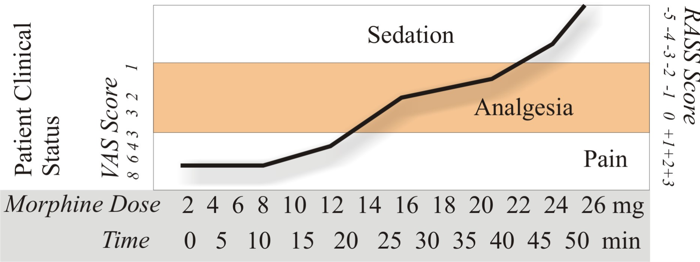
Single boluses of morphine may be ineffective to establish adequate analgesia. Aggressive “loading” with the drug, to break the cycle of pain, may be required. This requires careful titration to analgesic and sedative response (figure 2).

Table 4 :  Physicochemical and pharmacokinetic data of commonly used opioid agonists
  Morphine Meperidine Fentanyl Sufentanil Alfentanil Remifentanil
pKa 8.0 8.5 8.4 8.0 6.5 7.1
% Un-ionized at pH 7.4 23 <10 <10 20 90 67
Partition Co-efficient 1 32 955 1727 129 16
% Bound to plasma protein 20–40 39 84 93 92 80?
Elimination half time (hours) 1.7-3.3 3.0-5.0 3.0-6.6 2.2-4.6 1.4-1.5 0.17-0.33

Morphine is known to have a direct histamine releasing effect. While the clinical implications of this are generally overstated, transient vasodilatation and hypotension may result. This is an unlikely problem in hyperadrenergic postoperative patients complaining of pain, but may be an issue in patients under general anesthesia or who are receiving concomitant propofol infusions. Morphine may cause euphoria. It alters the perception of pain: the patient knows that he/she is in pain, but is not bothered by it.

Figure 2: Effect of administration recurrent boluses of morphine on pain, and sedation in a typical postoperative patient in PACU. VAS = visual analog score; RASS = Richmond agitation sedation scale.

Morphine has an important side effect profile (table 2): it is a direct respiratory depressant, and acts by reducing the respiratory center’s responsiveness to carbon dioxide. Morphine induces nausea and vomiting by an effect on the chemoreceptor trigger zone. It induces miosis (pupillary constriction), causes constipation, may cause urinary retention and causes cutaneous vasodilatation. Morphine is a potent anti-tussive agent; again this may be beneficial in mechanically ventilated patients. Morphine is principally metabolized by conjugation in the liver, to morphine 3-glucuronide (M3G), which is inactive and  morphine 6-glucuronide (M6G), which is highly potent. There is also some extrahepatic metabolism in the kidney. Hence care should be taken when morphine is administered to patients with significant renal impairment, as delayed respiratory depression may follow.

Hydromorphone

Hydromorphone is structurally very similar to morphine. It differs from morphine by the presence of a 6-keto group and the hydrogenation of the double bond at the 7-8 position of the molecule.12 It principally acts at µ receptors, and thus shares a similar side effect profile. Hydromorphone is slightly more lipid soluble than morphine, and has a slightly quicker onset of action; its peak effect is at 20 minutes. Hydromorphone is less sedating than morphine and does not have active metabolites (although it is metabolized by the liver and metabolites accumulate in renal failure). Hydromorphone is widely used for patient controlled analgesia and for intravenous analgesia in the ICU. The major limitation of using hydromorphone is confusion regarding the appropriate bolus dose. Hydromorphone is roughly 7.5 times more potent than morphine; as a result one is more likely to encounter accidental (due to prescription error) overdose with this agent.

Fentanyl

Fentanyl, alfentanil, sufentanil and remifentanil are semi synthetic opioids that have rapid onset and relatively short duration of action. Only fentanyl is routinely used for postoperative analgesia. It may be administered intravenously as bolus or infusion, transdermally through a patch or novel transcutaneous delivery systems, transorally (fentanyl “lollipop”), intrathecally or epidurally.13

Fentanyl has relatively rapid onset of action (1-2 minutes peak effect 5 mins) and short duration of action (20 minutes). However its therapeutic window is relatively narrow. When fentanyl is administered in low to moderate dose (1-5 mic/kg) intraoperatively, there may be little or no residual drug effect by the time the patient arrives in PACU. The patient may experience severe pain.

Fentanyl is highly lipophilic and redistributes to fat stores in the body; this may result in significant accumulation if given in high dosage. Its context sensitive half time is relatively long if administered by infusion. The complex pharmacology of fentanyl limits its effectiveness for perioperative analgesia. For prolonged effect, high dosage (5-15mic/kg) need to be administered, risking significant respiratory depression. Tachyphylaxis develops rapidly resulting in reduced effectiveness with escalating dose. This may result in significant problems such as ileus and urinary retention.

Although fentanyl can be used for analgesia in PACU, its effectiveness is limited to short episodes of analgesia, for example if coverage is required during a procedure – such as placement of a chest tube or epidural. It is not an effective agent for significant visceral pain unless given as an infusion or thru a PCA (patient controlled analgesia device). Transcutaneous fentanyl patches have slow onset of action and have no role in acute pain management. Newer products that utilize iontophoresis (a non-invasive method of propelling high concentrations of a charged substance transdermally using a small electrical charge), may make patient controlled fentanyl administration popular for ambulatory surgery.

Meperidine (Pethedine)

Meperidine is a semi-synthetic opioid structurally similar to fentanyl. Meperidine is one-tenth as potent as morphine. Meperidine is an effective analgesic and, in equianalgesic dosage, produces as much sedation, euphoria, respiratory depression and nausea and vomiting as morphine. Meperidine is significantly different pharmacologically to morphine, and has effects on a medley of receptors (see chapter on shivering). Of interest, meperidine has atropine like effects. The majority of opioids cause bradycardia, presumably by a direct or indirect action on the hypothalmo-pituitary-adrenal axis. Meperidine induces tachycardia. It also causes papillary dilatation. Meperidine has no anti-tussive effects. It has smooth muscle relaxing effects, and was used traditionally as analgesic for heptobiliary and ureteric surgery. However there is no evidence that this agent is superior to morphine in these situations. Meperidine causes less constipation and urinary retention than morphine. It has been used for generations for intramuscular analgesia in labor. The major current clinical use of meperidine is for treatment of postoperative anesthesia related shivering.

The major limitation of meperidine is its active metabolites: normeperidine (norpethidine) and meperidinic acid. Normeperidine accumulates, particularly in renal failure and may cause CNS stimulation (seizures or myoclonus)

Tramadol

Tramadol is an atypical opioid which is a centrally acting analgesic, used for treating mild to moderate pain. It is a synthetic agent, as a 4-phenyl-piperidine analogue of codeine.It can be administered orally or intravenously.

Tramadol is approximately 10% as potent as morphine, when given intravenously. It has effects on opioid, GABAergic, noradrenergic, NMDA (antagonism) and serotonergic receptors. Analgesia with tramadol is not fully reversed with naloxone although it has weak affinity for the μ-opioid receptor (approximately 1/6th that of morphine). The major issue with this agent is the serotonin modulating properties that may lead to interaction with selective serotonin reuptake inhibitors and result in serotonin syndrome (see chapter on malignant hyperpyrexia).

Tramadol causes significantly less respiratory depression and bowel dysfunction than conventional opioid analgesics.14 It does cause nausea and vomiting and may reduce seizure threshold.

Patient Controlled Analgesia

There is tremendous inter-patient variability in postoperative analgesic requirements. Coupled with greater demands on, and reduced availability of, nurses on postoperative wards, patient controlled analgesia has emerged as the gold standard delivery system for postoperative pain relief.15 Patients prefer PCA to nurse administered analgesia.16 Dolin and colleagues17 collected pooled postoperative pain scores from 165 publications and concluded that the mean incidence of moderate to severe pain was 67.2% and that of severe pain 29.1% for intramuscular opioids. The corresponding values were 35.8% and 10.4% for PCA, and 20.9% and 7.8% for epidural analgesia, respectively. The superiority of epidural analgesia has been confirmed by other investigators.18 Nonetheless, PCA, compared with conventional opioid treatment, improves analgesia and decreases the risk of pulmonary complications.19 In a large meta-analysis of fifty-five studies with 2023 patients receiving PCA and 1838 patients assigned to a control (parenteral ‘as-needed’ analgesia), PCA provided better pain control and greater patient satisfaction.20 Patients using PCA consumed higher amounts of opioids than the controls and had a higher incidence of pruritus (itching) but had a similar incidence of other adverse effects. There was no difference in the length of hospital stay.

Surprisingly, these results were not seen in many studies. This probably relates to the tremendous variability in settings applied to PCA devices: bolus doses, lockout, background infusions, opioid agents used etc.21 PCA strategy should be titrated to patient requirements. The best available evidence suggests that the optimal bolus dose of morphine is 1mg.22 Initial IV-PCA bolus doses of other drugs that are commonly used for opioid-naive patients are hydromorphone, 0.2 mg; fentanyl, 20 to 40 μg.21 The lockout interval is used to limit the frequency of demands made by the patient within a certain time. Lockout periods between 5 and 10 minutes are commonly prescribed. If analgesia is inadequate with a certain lockout period, it is more effective to increase the bolus dose rather than reducing the lockout.23 The use of a background infusion with IV-PCA, in addition to bolus doses on demand, is targeted at improving patient comfort and sleep: the expectation is that the patient will not awaken in pain. However, studies report no benefit to pain relief or sleep and no decrease in the number of demands made but a marked increase in the risk of respiratory depression.21 Background infusions should be limited to use in chronic opioid users.

Multimodal Analgesia

The concept of multimodal analgesia is based on the observation that pain is a multifactorial phenomenon – amplified and modulated at different sites both peripherally and centrally, and is therefore not amenable to control by opioid monotherapy alone.2;4;5

Figure 3: Multimodal Analgesia: a balanced approach to analgesia – different agents are combined to reduce pain transmission at different sites, targeting local nerves and neurotransmitters, the CNS and the neuroendocrine system.

The multimodal approach to perioperative pain management involves attenuating nociceptive activity at many different levels (Figure 3), including:

  • Reducing nocioception output at the surgical site, by superficial and deep wound infiltration.
  • Treating and preventing peripheral inflammation using nonsteroidal anti-inflammatory drugs (NSAIDs).
  • Blocking afferent nerve activity by regional blockade using local anesthetics with or without other agents (opioids, tramadol, and ketamine). This blockade may be involve peripheral nerves (inguinal field block) neural plexuses (brachial or lumbar plexus block) or  spinal level (subarachnoid or epidural block)
  • Modulating central pain processes at the level of the brain or spinal cord (e.g., opioids, tramadol, NMDA antagonists, alpha-agonists). Some agents, such as opioids, have been shown to work at a number of levels (peripheral, spinal, cerebral).
  • Reducing adrenergic activity by direct or indirect actions using opioids or alpha-2 adrenoceptor agonists.

Wound infiltration with local anesthetic

Patients recurrently complain of pain at the site of superficial injury, i.e. at the skin incision site. Local anesthetic infiltration of the surgical site may reduce this.  A number of approaches have been shown reduce postoperative analgesia requirements including: infiltration into the subfacial parietal peritoneum, subcutaneous infiltration and field block, intraarticular injection, drains lavage etc.    Wound infiltration is a safe, simple, effective and under-utilized postoperative analgesic technique.

Non Steroidal Anti-inflammatory Agents (NSAIDS).

Non steroidal anti-inflammatory agents (NSAIDS) have been used for some time in ambulatory surgery to reduce the dose of opioid required for pain relief, with the potential for less nausea, vomiting and sedation. NSAIDS act peripherally to inhibit the cyclo-oxygensase enzymes responsible for production of pro-inflammatory mediators at the site of injury. The major therapeutic limitation of using these agents is the delay between application and onset time, because of peripheral action, as compared with opioids.  In order to attain full efficacy, it is essential to give NSAIDS at induction or early during the procedure.  NSAIDS, whether COX-1 or COX-2 inhibitors, are equally efficacious in terms of pain relief but their clinical applications are limited by concerns relating to gastric bleeding, renal impairment and platelet dysfunction.2 In general NSAIDS should be avoided in patients that have undergone mucosal surgery (such as resection of the nasal mucosa), intracranial surgery, some spinal surgeries and operations in which a cross-clamp has been placed on the aorta (abdominal aortic aneurysm repair for example). In addition, patients with known renal dysfunction are at risk of acute renal failure, and NSAIDS should be withheld.

NSAIDS may be administered by a variety of routes including oral, intravenous, intramuscular, and rectal.  Agents routinely utilized in the operating room and PACU include ketoralac, diclofenac and tenoxicam. There is a considerable body of evidence supporting the use of NSAIDS as adjunct analgesic agents.2;8;24  For example, ketoralac 30mg has equipotent analgesic effect to morphine 10mg. Where possible patients should be administered NSAIDS in the operating room or PACU.

Regional anesthetic techniques

A multitude of different regional anesthetic techniques has been used for surgery. These are frequently combined with general anesthesia to ensure absence of pain in the postoperative period. For example, paravertebral block has emerged as an effective option for breast surgery in addition to general anesthesia.25 Combinations of ileoinguinal and ileohypogastric nerve blockade and caudal block, have been shown to significantly reduce postoperative pain in children and adults following inguinal hernia repair.26 The commonly used regional nerve blocks are featured in Table 5.

Table 5   Regional Blocks that may reduce Postoperative Pain
Block Type Indication
Upper-limb blocks:
Bier’s block Surgery to hand or wrist (e.g. Colles’ Fracture)
Digital Nerve Block Surgery to finger
Wrist Block: median, ulnar and radial nerves Surgery to hand
Elbow Block: median, ulnar and radial nerves Surgery to hand or wrist
Brachial Plexus Block:
Axillary Approach Surgery to hand, wrist or lower arm
Supra-calvicular Approach Surgery to hand, wrist, upper and lower arm
Interscalene Approach Surgery to upper limb and shoulder
Neuraxial Blocks:
Spinal Surgery to lower extremities
Epidural Surgery to lower extremities, abdomen, thorax
Caudal Surgery to perinuem (e.g. hemmoroidectomy)
Paravertebral Block Thoracic and abdominal surgery (e.g. breast surgery, herniorrhaphy).
Lower-limb Blocks:
Sciatic Nerve Block Surgery to lower limb
Obturator Nerve Block Surgery to lower limb
3-in-1 (Lumbar Plexus) Block Surgery to lower limb
Knee Block: common peroneal, tibeal & saphenous Surgery to lower leg
Ankle Block Surgery to foot
Truncal Blocks
Intercostal Blocks Thoracic surgery
Inguinal Field Blockade Surgery in lower abdomen (e.g. hernia repair)
Penile Block Surgery to penis (e.g. circumcision)

Alpha-2 receptor agonists.

The alpha2 -agonists clonidine and dexmedetomidine have been reported to provide effective analgesia following a variety surgical procedures and when given by oral, intrathecal and intravenous routes of administration.

In general, alpha 2 -agonists are best used as adjuncts with other analgesics to minimize the side effects of sedation and hypotension. Clonidine, when given orally as a premedication (5 mg/kg), reduces morphine PCA requirements by 37% and significantly reduces the incidence of nausea and vomiting.27 When added to local anaesthetics, clonidine has been shown to augment the effectiveness and duration of action of peripheral nerve blocks.28

Paracetamol/Acetaminophen

Paracetamol is an agent commonly used in multimodal techniques, due to its wide availability and low side effect profile in therapeutic dosage. Oral and rectal acetaminophen, as an adjunct to opioids, reduces pain scores by 20% – 30%.29 It has analgesic and antipyretic, but not anti-inflammatory, activity. Although the mechanism of action of acetaminophen is poorly understood, it is believed to act by the inhibition of the COX-3 isoenzyme and subsequent reduced prostanoid release in the central nervous system. In addition, there is some suggestion that it acts on the opioidergic system and NMDA receptors. Acetaminophen is a weak analgesic agent and has little or no anti-inflammatory activity. Thus it has no role as monotherapy-analgesia following major surgery. Nevertheless, there is abundant evidence that acetaminophen significantly enhances analgesia when combined with opioids and NSAIDS. It has little or no impact on the gastrointestinal tract or kidney. However, in high dosage acetaminophen may cause irreversible liver damage. This agent is strongly recommended for balanced analgesia in perioperative patients.

3. Differential diagnosis / Work the problem

What is the differential diagnosis?

An agitated patient, emerging from anesthesia, is in pain until otherwise proven (figure 4). It is imperative to assess the patient’s respiratory status to ensure that he is oxygenating and ventilating as hypoxemia and hypercarbia may manifest as agitation. The patient’s agitation should also be assessed in terms of their total physical status: in general agitation plus tachycardia and hypertension suggests hyperadrenergic activity (stress), and agitation associated with bradycardia suggests increased vagal activity. This can result, for example, from distress associated with a full bladder.

Postoperative patients that are agitated and tachycardic may have partial neuromuscular blockade (chapter 4: hypertension and tachycardia). Other potential diagnoses include drug withdrawal (beta blockers, clonidine, alcohol, cocaine and amphetamines), drugs (atropine, neostigmine, naloxone or flumazenil) and pathologic processes (neurologic injury, electrolyte abnormalities and endocrinopathy). Neurologic injuries include ermergence delirium, stroke, intracranial bleed, raised intracranial pressure and transcranial herniation. Electrolyte abnormalities that may cause agitation include hypernatremia, hyponatremia, hypokalemia, hypophosphatemia, hypercalcemia and hypomagnesemia). Endocrinopathies that may cause agitation include thyrotoxicosis, diabetic ketoacidosis, hypoglycemia, pheochromocytoma and carcinoid syndrome.

Figure 4: Managing the Agitated Patient

Common things are common – once life threatening causes of agitation have been outruled, one must address pain.

The clinical assessment of pain, analgesia, anxiety and sedation require quantification, hence the use of scoring systems. The behavioral pain score was discussed in chapter 4; it allows the bedside clinician determine whether or not the sedated patient is in pain. In this scenario the patient is agitated, and the level of agitation should be assessed using an alternative system, such as the Richmond Agitation Sedation Scale (RASS table 6).30 This tool allows the clinician to assess whether the patient is agitated or sedated using a + (plus) score for agitation and a minus (-) score for sedation. It then allows for titration of sedative drugs. The scale scores the patient from -5 (comatose) to +4 (combative, as in this case).

Visual Analog Scale for Pain

 No Pain           Mild Pain             Moderate Pain              Severe  Pain                  Worst

_____________________________________________________________________

0         1             2            3          4        5          6            7          8          9            10

Figure 5: Visual Analog Scale

Once the patient is co-operative, pain should be assessed using a visual analog scale (VAS figure 6).31;32 This is a 0-10 scoring system in which 0 is no pain and 10 is the worst pain the patient has ever experienced. The goal is to obtain a pain score of 3 or less or pain that is considered acceptable by the patient.33 Occasionally the patient may report a higher score than would be suspected by physiologic data, and the bedside nurse is required to make an objective decision about the need for further analgesia.

Table 6    Richmond Agitation Sedation Scale

Clinical Status

RASS

Combative (violent dangerous to staff)

4

Very agitated (pulling on or removing catheters)

3

Agitated (fighting ventilator)

2

Anxious

1

Spontaneously alert calm and not agitated

0

Able to maintain eye contact >= 10 seconds

-1

Able to maintain eye contact < 10 seconds

-2

Eye opening but no eye contact

-3

Eye opening or movement with physical or painful stimuli

-4

Unresponsive to physical or painful stimuli (deeply comatose)

-5

4. Solve or resolve the problem  

Step 1: Ensure that the airway is patent and that the patient is breathing spontaneously. Apply supplemental oxygen. Ensure that the patient has iv access and that intravenous fluid is running. Check the patient’s pulse and blood pressure. Position the patient in the semi-recumbent position.

Step 2: Score the patient’s agitation/pain using RASS and VAS

Step 3: Commence the opioid titration protocol (figure 6).34;35 The choice of agent, morphine or hydromorphone is determined by the clinician – if the patient is to receive a morphine PCA they should receive bolus morphine, a hydromorphone PCA – bolus hydromorphone etc. The dose should be adjusted for the patient’s weight.

Step 4: The goal of the opioid titration protocol is to aggressively treat pain by assessing the patient’s pain score,33 and to prevent oversedation by using the RASS score.

Step 5: If the patient remains agitated despite significant opioid administration, consideration should be given to anxiety and delirium. Delirium is defined as an acute disturbance of consciousness (reduced clarity of awareness of the environment) and cognition with reduced ability to focus, sustain or shift attention. The patient may be disorientated in time, place or person. If the patient is orientated, anxiety may be a problem, and this can be managed with judicious administration of midazolam 1-2mg iv. Anxiolytics should not be administered before analgesics in the agitated postoperative period unless the significant consideration has been given to pain as the etiology of the problem.

Step 6: If the patient is complaining of severe intractable pain, out of proportion to the injury and unresponsive to analgesia and anxiolysis, consideration should be given to an surgical problem. For example, in a patient that has had orthopedic surgery to the leg, severe pain may signal a compartment syndrome: the patient has ischemic pain. If a surgical cause had been discounted, consideration should be given to a regional anesthetic approach (epidural, brachial plexus catheter etc) or to the addition of ketamine to the PCA.

Step 7: If the patient becomes oversedated (RASS -3 or below) as a result of narcosis (associated with bradypnea), opioid administration should be discontinued until the RASS score is -2 or above. In extreme cases, where the patient is comatose and hypoventilating, naloxone should be administered in aliquots of 40mic/g, until the RASS is -2 or above. It is essential that the clinician consider alternative causes of coma, such as stroke, brain hemorrhage or intracranial hypertension).

Figure 6: Management of Patient in Pain or Agitated

Conclusions

  1. Pain is now considered the “fifth vital sign”.
  2. Postoperative patients that are agitated should be considered to be in pain until otherwise proven.
  3. Pain is a multisystem problem that manifests as an emotional response to a noxious stimulus. Pain starts at the nocioceptor and is amplified by local inflammatory mediators and spinal cord windup leading to central and peripheral sensitization. In addition, pain activates the hypothalmo-pituitary-adrenal axis leading to anxiety and diaphoresis.
  4. Pain should be managed by a multimodal approach that addressed the problem at different levels in the pain pathways.
  5. Opioid agents remain the mainstays of management of pain. Of these morphine and hydromorphone are the most popular and effective agents for managing visceral pain in PACU.
  6. Opioids should be titrated using an opioid titration protocol, that scores both pain and sedation.
  7. Anxiety, delirium and surgical problems may worsen pain, and should be addressed by the clinician.
  8. Pain that is unresponsive to aggressive and analgesic therapy should prompt the clinician to consider a surgical cause.

This PBLD was written by Patrick Neligan Version 1.3 September 2007


References

1.    Myles PS, Williams DL, Hendrata M, Anderson H, Weeks AM: Patient satisfaction after anaesthesia and surgery: results of a prospective survey of 10,811 patients. British Journal of Anaesthesia 2000; 84: 6-10

2.    Joshi GP: Multimodal analgesia techniques and postoperative rehabilitation. Anesthesiol.Clin.North America. 2005; 23: 185-202

3.    Kehlet H, Dahl JB: The value of “multimodal” or “balanced analgesia” in postoperative pain treatment. Anesth.Analg. 1993; 77: 1048-56

4.    Kehlet H: Multimodal approach to control postoperative pathophysiology and rehabilitation. Br.J.Anaesth. 1997; 78: 606-17

5.    White PF, Kehlet H, Neal JM, Schricker T, Carr DB, Carli F, the Fast-Track Surgery Study Group: The Role of the Anesthesiologist in Fast-Track Surgery: From Multimodal Analgesia to Perioperative Medical Care. Anesthesia Analgesia 2007; 104: 1380-96

6.    Brennan TJ, Zahn PK, Pogatzki-Zahn EM: Mechanisms of incisional pain. Anesthesiol.Clin.North America. 2005; 23: 1-20

7.    Cohen MJ, Schecter WP: Perioperative pain control: a strategy for management. Surg Clin.North Am. 2005; 85: 1243-57, xi

8.    Siddall PJ, Cousins MJ: Pain mechanisms and management: an update. Clin.Exp.Pharmacol.Physiol 1995; 22: 679-88

9.    Woolf CJ: Central sensitization: uncovering the relation between pain and plasticity. Anesthesiology 2007; 106: 864-7

10.    Wolpaw JR, Tennissen AM: Activity-dependent spinal cord plasticity in health and disease. Annu.Rev.Neurosci. 2001; 24: 807-43

11.    Herrero JF, Laird JM, Lopez-Garcia JA: Wind-up of spinal cord neurones and pain sensation: much ado about something? Prog.Neurobiol. 2000; 61: 169-203

12.    Murray A, Hagen NA: Hydromorphone. Journal of Pain and Symptom Management 2005; 29: 57-66

13.    Stanley TH: Fentanyl. Journal of Pain and Symptom Management 2005; 29: 67-71

14.    Desmeules JA: The tramadol option. Eur.J Pain 2000; 4 Suppl A: 15-21

15.    Lehmann KA: Recent Developments in Patient-Controlled Analgesia. Journal of Pain and Symptom Management 2005; 29: 72-89

16.    Ballantyne JC, Carr DB, Chalmers TC, Dear KB, Angelillo IF, Mosteller F: Postoperative patient-controlled analgesia: meta-analyses of initial randomized control trials. J Clin.Anesth 1993; 5: 182-93

17.    Dolin SJ, Cashman JN, Bland JM: Effectiveness of acute postoperative pain management: I. Evidence from published data. British Journal of Anaesthesia 2002; 89: 409-23

18.    Werawatganon T, Charuluxanun S: Patient controlled intravenous opioid analgesia versus continuous epidural analgesia for pain after intra-abdominal surgery. Cochrane.Database.Syst.Rev. 2005; CD004088

19.    Walder B, Schafer M, Henzi I, Tramer MR: Efficacy and safety of patient-controlled opioid analgesia for acute postoperative pain. A quantitative systematic review. Acta Anaesthesiol.Scand. 2001; 45: 795-804

20.    Hudcova J, McNicol E, Quah C, Lau J, Carr DB: Patient controlled opioid analgesia versus conventional opioid analgesia for postoperative pain. Cochrane.Database.Syst.Rev. 2006; CD003348

21.    Macintyre PE: Intravenous patient-controlled analgesia: one size does not fit all. Anesthesiol.Clin.North America. 2005; 23: 109-23

22.    Owen H, Plummer JL, Armstrong I, Mather LE, Cousins MJ: Variables of patient-controlled analgesia. 1. Bolus size. Anaesthesia 1989; 44: 7-10

23.    Macintyre PE: Safety and efficacy of patient-controlled analgesia. British Journal of Anaesthesia 2001; 87: 36-46

24.    White PF: The Changing Role of Non-Opioid Analgesic Techniques in the Management of Postoperative Pain. Anesthesia Analgesia 2005; 101: S5-22

25.    Karmakar MK: Thoracic paravertebral block. Anesthesiology 2001; 95: 771-80

26.    Nehra D, Gemmell L, Pye JK: Pain relief after inguinal hernia repair: a randomized double-blind study. Br.J.Surg. 1995; 82: 1245-7

27.    Park J, Forrest J, Kolesar R, Bhola D, Beattie S, Chu C: Oral clonidine reduces postoperative PCA morphine requirements. Can.J.Anaesth. 1996; 43: 900-6

28.    Eisenach JC, De Kock M, Klimscha W: alpha(2)-adrenergic agonists for regional anesthesia. A clinical review of clonidine (1984-1995). Anesthesiology. 1996; 85: 655-74

29.    Schug SA, Sidebotham DA, McGuinnety M, Thomas J, Fox L: Acetaminophen as an adjunct to morphine by patient-controlled analgesia in the management of acute postoperative pain. Anesthesia Analgesia 1998; 87: 368-72

30.    Ely EW, Truman B, Shintani A, Thomason JW, Wheeler AP, Gordon S, Francis J, Speroff T, Gautam S, Margolin R, Sessler CN, Dittus RS, Bernard GR: Monitoring sedation status over time in ICU patients: reliability and validity of the Richmond Agitation-Sedation Scale (RASS). JAMA 2003; 289: 2983-91

31.    Bodian CA, Freedman G, Hossain S, Eisenkraft JB, Beilin Y: The Visual Analog Scale for Pain: Clinical Significance in Postoperative Patients. Anesthesiology 2001; 95: 1356-61

32.    Aubrun F, Hrazdilova O, Langeron O, Coriat P, Riou B: A high initial VAS score and sedation after iv morphine titration are associated with the need for rescue analgesia. Can.J Anaesth. 2004; 51: 969-74

33.    Aubrun F, Langeron O, Quesnel C, Coriat P, Riou B: Relationships between measurement of pain using visual analog score and morphine requirements during postoperative intravenous morphine titration. Anesthesiology 2003; 98: 1415-21

34.    Aubrun F, Monsel S, Langeron O, Coriat P, Riou B: Postoperative titration of intravenous morphine. Eur.J Anaesthesiol. 2001; 18: 159-65

35.    Aubrun F, Monsel S, Langeron O, Coriat P, Riou B: Postoperative titration of intravenous morphine in the elderly patient. Anesthesiology 2002; 96: 17-23

 This Article Copyright Patrick Neligan MA MB FCAI DIBICM 2007-2012. Neither text nor illustrations are to be used without permission. 

Common Questions Regarding Stewart Approach to Acid Base Chemistry

I receive a lot of emails from confused doctors regarding the modern (Stewart) approach to acid base chemistry.

A common question relates to the relative quantity of hydrogen/hydronium and hydroxyl ions. For example, if chloride is dissolved in water there is a net increase in hydrogen and a net decrease in hydroxyl. Where does the hydroxyl go?

Another question is: why if the pH of NaCl 0.9% solution 5.5 when the SID (Strong Ion Difference) is 0? Finally everyone is confused about contraction alkalosis and dilutional acidosis.

This post will attempt to explain these phenomena. I make no attempt here to explain the basics of acid base chemistry. For this read my chapters in Miller’s Textbook of Anesthesia or Longnecker’s Anesthesiology.

Acids versus Bases

Stewart utilized the Arrhenius theory of acid base: you put chloride into water, water dissociation changes to maintain electrical neutrality releasing hydrogen ions and the solution becomes acidic. In this way chloride delivers a hydrogen ion to the solution and Chloride is an acid. This may appear confusing (where does the OH go if H+ is delivered to the solution), but if you read below, the answer is really simple. Stewart’s approach is entirely consistent with Bronsted-Lowry, but heavily emphasizes strong ions and weak anions as the independent variables. Water is a dependent variable, as is HCO3.

It is best to describe water as an amphiprotic molecule – simply it can be an acid or a base – a proton donor or a proton acceptor. H2O (acid)  + H2O (base) ≤-≥ H3O+ + OH

The tendency for water to dissociate into its component parts is governed by the Kw’ – the autoproteolysis constant for water:

Kw = (H3O+ ) a(OH)

So water can act as an acid or a base depending on what is dissolved in it. We tend to get a little hung up on which is the acid and which is the base depending on how you look at it: in our teaching Chloride is functionally an acid. A lot of people think it is a base. The following my clarify your thinking:

An example – if HCl is dissolved in water:

HCl + H2O <->  H3O+ + Cl

In this situation water acts as a conjugate base – a proton acceptor. Note that there is no net generation of OH as the proton donor was Chloride.Likewise, if you dissolve NaOH into water

NaOH + H2O <->  Na+ +H2O + OH

So water in this situation acts a conjugate acid, a proton donor – the conjugate acid of a strong base. Whenever, in physiology, you have a strong anion you have a conjugate acid (Hn+); whenever you have a strong cation, you have a conjugate base (OH). In mass conservation, each time you lose a Cl- you lose its accompanying Hn+. What Stewart emphasizes is that it is not the loss of the proton that is the problem – the supply is potentially unlimited, it is the loss of the electrolyte.  The major teaching point in Stewart is that NaCl is not Na+ + Cl (in other words the charge on sodium is balanced by the charge on chloride) rather it is NaOH + HCl.

Remember the pKa = pH + pOH

Now, if you come along and make up a solution of NaOH + HCl + H2O (normal saline), what happens?

NaOH + HCl + H2O <-> Na+ + OH + H3O+ + Cl

But it is not a simple as that – because HCl is a much stronger acid than NaOH is a strong base.  Hence, due to their differing pKas, HCl generates more H+ than NaOH generates OH (it has a steeper titration curve). The result, in a bag of fluid is a pH of 5.5. However, the SID is 0 – so I don’t know if the differing titration curves for HCl versus NaOH contributes somewhat to the acidifying effect of NaCl.

This last point is important – even if charges are balanced, there may be different amounts of hydrogen and hydroxyl ions present due to the pKa of the various acids and bases.

I hope this resolves the confusion: putting chloride into a solution of water does not lead to the mysterious disappearance of OH. Strong ions never, ever, exist without something to balance the charge; a conjugate acid or base. Functionally H+ is actually added, but it is stirred into the aqueous stew.

Dilutional acidosis and contraction alkalosis

t is important to remember that the Stewart approach emphasizes that pH is dependent on: SID (strong ion difference), pCO2 and Atot (total weak acid-anion concentration). The assumption when one looks at changes in SID is that there are no concomitant changes in the other variables (of course there is – we may hyperventilate or hypoventilate to correct the pH) – for illustrative purposes. So, under normal circumstances, the SID is 44 mEq/L. That means that there is 44mEq/L of buffer base or weak anions (Atot) balancing the charge – phosphate, bicarbonate and protein (principally albumin) – table 2 below. It is assumed the Atot  remains stable. An increase in SID – as a result of contraction – immediately induces a base excess that must be associated with an increase in OH. This does not imply that hyroxyl ions appear and hydrogen ions disappear – they were always there – but in different concentrations. The same is the case if the system is diluted – adding free water and keeping Atot stable induces an acidosis by reducing SID.

For example: construct a liquid that starts with 15 liters of water and add 2.1M of NaOH (140mmol/l) of NaOH and 1.5M of HCl (100mmol/L). This is obviously a highly alkaline solution as there is an excess of 40mmol/L of OH (40mmol). If you add 3 liters of water to this the concentration of Na+ falls to 116mmol/L (that is 116mmol/L of OH), and the concentration of Cl falls to 83mmol/l (that is the 83mmol/L of H+). The total amount of excess OH over H+ has reduced – so the pH must fall.

In physiology, the 40mEq/L SID is represented by weak acids (Atot), and, other things being equal, these do not change. These are represented by A and carry, functionally, 40mEqL of H+. So, if you do your mathematics – the total H+ concentration is 83 + 40mEq/L (123) wheras the total OHconventration is 116mmol/L – a difference of 7.

In effect, there is a net gain of 7mEq/L of HnO+/H+,  and this results in metabolic acidosis.


Table 1

ECF volume

ECF State

[Na+]

[Cl]

[OH]*

SID

[Atot]*

pH


15000

Normal

140

100

40

40

40

7.4

add water

18000

Expanded

116

83

33

33

40

<7.3

remove water

13000

Reduced

161

115

46

46

40

>7.5

*Atot=OH under normal circumstances; in this illustration Atot is kept stable.

Of course, this would result in devastating acidosis if it occurred in a human. Consequently four things occur to balance this 1. K+translocates from the intracellular space. 2. Albumin also becomes diluted (ICU alkalosis). 3. HCO3 combines with the now abundant H+ ions forming carbonic acid. 4. CO2 is blown off due to a fall in the pH of CSF.

On the face of it, this would appear to be the classic approach to ABB – but it is not. The classic approach suggests that the fall in HCO3is due to dilution, in the Stewart approach the fall is due to consumption – as a buffer. Inevitably, as the negative charge carried by HCO3– falls, there is a dual effect – yes it represents buffering, but the charge differential between SID and Atot (buffer base or weak acids) falls, and the pH normalizes.

Does the HCO3 become diluted just like NaCL? Maybe, I’m not sure:  remember HCO3is part of a different control system. Also, as the pH falls, being weak acids, the acidic effect of bicarbonate, albumin and phosphate increases.

Table 2: Buffer Base
Buffer Base Plasma (Atot) Buffer Base Whole Blood (Atot)
HCO3 24mEq/L

PO4 1 mEq/L

Albumin 17mEq/L

HCO3 20mEq/L

PO4 0.5mEq/L

Albumin 9.5mEq/L

Hemoglobin 18mEq/L

What about contraction alkalosis? Take our 15L ECF and remove 2L of water – no change in quantity of Na, Cl or the concentration of buffer base (weak acid).  The sodium concentration increases to 161mEq/L (OH- is the same); the chloride concentration increases to 115mEq/L. The SID is now 46mEq/L. Other things being equal the BB/Atot is 40mEq/L – so there is now an excess of 6mEq/L of OH compared with before: metabolic alkalosis. 
Interestingly, universally, the HCO3– increases by a more or less similar amount. This is where Stewart’s original work is really weak – why? Either we generate more bicarbonate due to hypoventilation – slow – or else the bicarbonate becomes concentrated like everything else. Whatever way you look at it, the increasing bicarbonate functionally buffers the alkalosis (it being a weak acid – an anion).

There are lots of potential in vitro lab or in vivo animal studies that could be carried out to actually iron out exactly what goes on. I would imagine that if you took an animal, tied off the renal arteries, put in an arterial line – administered a load of water and checked the full spectrum of labs before and after you could once and for all answer this question.

I have found, over the years, that the most comfortable place to sit is in between the extremes of the Stewart and traditional approaches. I believe that Stewart was wrong about bicarbonate – it is far more important that he gave credit for, and while not a component of SID – and probably not an independent variable, it is a major player in acid base chemistry.

Is there a pool of hydrogen and hydroxyl ions that appear and disappear depending on the SID, Atot and pCO2? Yes of course there is – water exists as big blobs that exhibit either a positive or negative charge (HnO+ or HOn). The totality of charge exhibited depends on the milieu – but really it is charge that is added alongside electrolytes – NaOH, for example. In addition, alterations in charge of weak acids resulting from changes in pH is probably more important than currently recognized (in other words Atot becomes more acidic with acid and less acidic with alkali – due to the proximity of pKa to pH 7.4 – more acidic more ionized, less acidic less ionized).

This article is entirely the work of Patrick Neligan MB FCAI FJFICM. It is not to be reproduced without permission. It is for educational purposes only. © PJN 2011